
22 May 2026
14 SaaS Tools. Nobody Sees the Full Picture.
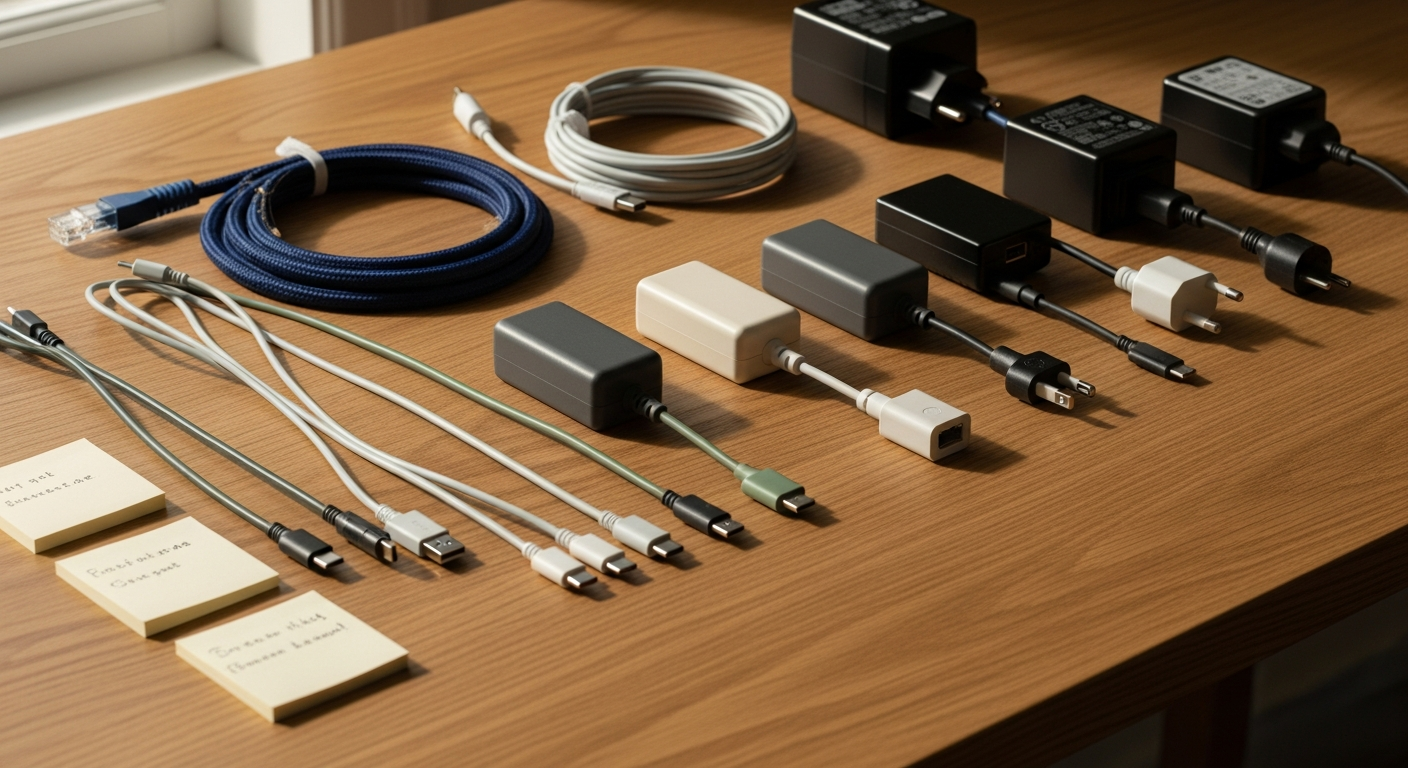
You can probably list them from memory. Klaviyo for email. Gorgias for support. Netsuite for finance. Shopify for the webshop. Returnly for returns. Centra for wholesale. Looker for dashboards. Then there's the shipping provider, the PIM, the DAM, the SMS tool, the loyalty platform. Maybe a few more. Each one was purchased for a good reason. Each one solves its specific problem well. Your total monthly SaaS spend is somewhere between 200,000 and 400,000 SEK. Nobody questions the individual tools. The problem is what happens between them.
The Gap Between the Tools
A customer returns a product through Returnly. That return gets processed, the refund goes out, the item goes back to inventory. But does that customer show up as a churn risk in Klaviyo? No. Does the return reason feed into your product quality tracking? Probably not. Does your support team in Gorgias see that this customer has returned three times in the last two months? Only if they manually check.
A price change gets entered in Netsuite. It might reach Shopify in a few hours. Or three days. Depends on whether the integration runs on a schedule or a trigger, and whether someone remembered to map the new price list correctly. Your BI platform shows last week's numbers, formatted nicely. But what's happening right now, this hour, across channels? Nobody knows without checking multiple tabs.
People are smart. They adapt. So your procurement lead maintains a Google Sheet with supplier prices and lead times. Marketing runs a Notion database for the campaign calendar. Support has developed a workflow that involves copying information between three browser tabs. Everyone works hard. Everyone is productive within their own tool. Nobody has the full picture.
The Real Cost of Tool Fragmentation
This isn't a technology problem. It's an operational one. When data doesn't flow between systems, people become the integration layer. They copy, paste, cross-reference, and reconcile. They build workarounds that work fine until they go on vacation and nobody else understands the spreadsheet.
The cost shows up in three places. First, decision latency. When answering a simple question like "how is this product performing across channels?" requires pulling data from four systems, the question stops getting asked. People make decisions on partial information or gut feeling instead. Second, error rate. Every manual data transfer is a chance for mistakes. A wrong price, a missed return, a customer getting a campaign email the day after a bad support experience. Third, onboarding drag. New team members take months to learn which system holds which truth and which workaround to use when.
What Filling the Gap Looks Like
You don't need to replace your 14 tools. You need to connect them. Not with more point-to-point integrations that create a brittle web, but with an operational layer that collects data from your existing systems and gives the team a shared, real-time view.
We've built this. One project unified five systems, commerce, ERP, CRM, POS, and email, into a single customer view. 37 API routes, over 100 interface components. Not a dashboard that shows charts. A workspace where people can see a customer's full journey, from first click to latest support ticket, in one place.
Another project connected PLM, commerce, and ERP data using a common article key. The system visualized the entire product catalog across all three platforms and automatically detected gaps. Missing descriptions in one system. Price mismatches between two others. Category assignments that existed in the PIM but never made it to the webshop. All surfaced automatically, with clear indicators of which system was the source of the problem.
The most powerful version of this is what we call a command center. Real-time deviation detection, suggested actions, and a full audit trail. When something goes wrong, the system doesn't just flag it. It shows you what happened, when, in which system, and what the recommended fix is. Your team goes from investigating problems to confirming solutions.
The Tools Are Fine. The Gaps Are the Problem.
Nobody needs fewer tools. The SaaS stack exists because each product is genuinely good at what it does. The mistake is assuming that buying good tools means they'll work together. They won't. Not without deliberate effort to bridge the gaps.
The companies that operate smoothly at scale aren't the ones with the best individual tools. They're the ones that built the connective tissue between them. A shared operational layer where data flows, discrepancies surface, and the team sees one picture instead of fourteen.
Your tools aren't the problem. The space between them is.